
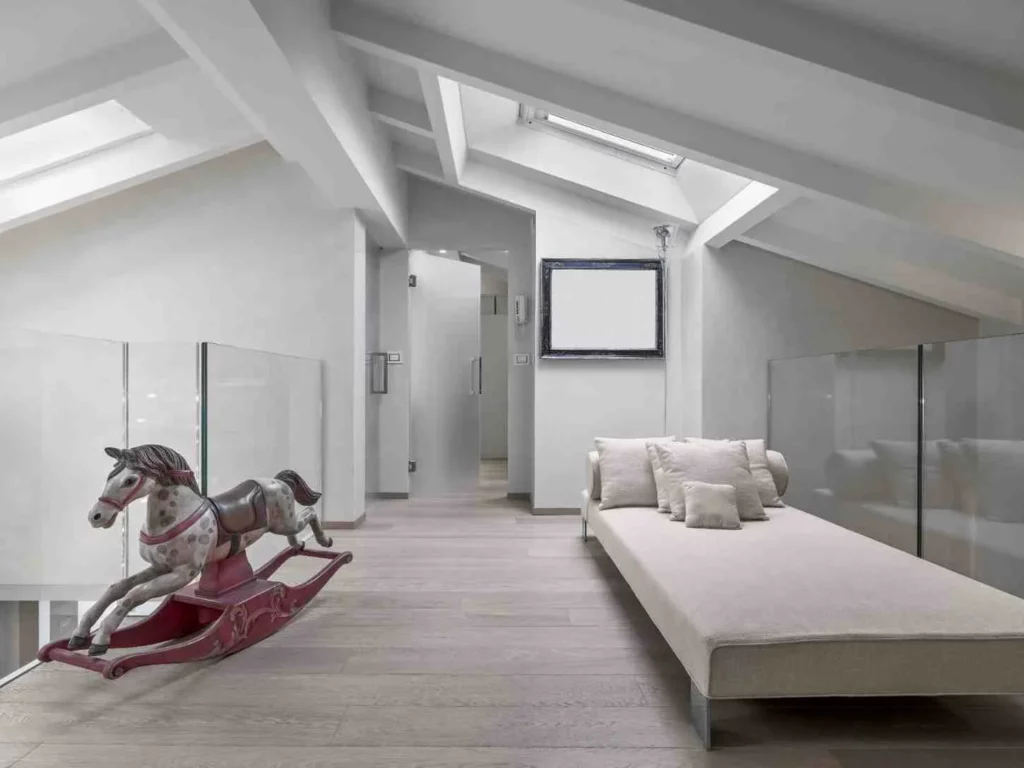
A hip to gable loft conversion can transform a cramped, sloping loft into a much more practical living space. By replacing the sloping side of a hipped roof with a vertical gable wall, you can create more usable floor area, improve headroom and make room for a bedroom, home office, bathroom or even a spacious master suite.
For many semi-detached and end-of-terrace homes, a hip to gable conversion works particularly well when combined with a rear dormer.
Table of Contents
ToggleQuick Answer: How Much Does a Hip to Gable Loft Conversion Cost?
In 2026, a typical UK hip to gable loft conversion can cost approximately £42,000–£70,000, depending on the property, size, specification and location.
In London and the South East, costs can be higher because of labour, access, structural requirements and overall construction costs. Current London guides place many projects around £50,000–£95,000, depending on the scope and specification.
| Project | Typical 2026 cost |
|---|---|
| Hip to gable conversion | £42,000–£70,000 |
| Hip to gable + rear dormer | £52,000–£85,000+ |
| Hip to gable + en-suite | £60,000–£95,000+ |
| Larger/high-spec conversion | £90,000+ |
These are guide prices rather than fixed quotations. The actual cost depends on the size and shape of your roof, structural work, windows, staircase, insulation, finishes, plumbing, electrical work and whether planning permission is required.
For an accurate figure, your property should be surveyed before a final quotation is prepared.
Extra Reading: How Long Does a Loft Conversion Take?
What Is a Hip to Gable Loft Conversion?
A hip to gable loft conversion changes one sloping end of a hipped roof into a vertical gable wall.
A traditional hipped roof slopes down on all sides. This means that part of the loft is often lost because the roof becomes lower towards the side.
A hip to gable conversion removes this sloping section and extends the wall upwards to create a vertical gable end.
The result is:
- More usable loft floor space
- Better head height
- A wider internal room
- More flexibility for furniture
- Better potential for a bedroom or home office
- More space for an en-suite bathroom
- The option to combine the work with a rear dormer
The structural work is more substantial than a simple rooflight conversion because the shape of the roof itself is being changed.
Which Homes Suit a Hip to Gable Loft Conversion?
Not every property is a good match for this build. Here is who benefits most from a hipped roof conversion:
- Semi-detached houses with a hip on the side wall
- End-of-terrace homes with one hipped roof end
- Detached houses, which can often convert both sides
- Bungalows with enough ridge height to work with
A loft conversion for semi-detached house projects is the most common case we see. One side of the roof is hipped, and turning it into a gable wall adds a full extra room. Mid-terrace houses do not usually qualify, since both roof ends already back onto a neighbour.
Hip to Gable vs Other Loft Conversion Types
It helps to see how this build stacks up against the alternatives.
| Conversion Type | Best For | Extra Space |
| Hip to gable | Semi-detached, end-terrace, bungalows | Moderate to high |
| Rear dormer | Any property with a rear roof slope | Moderate |
| L-shaped dormer | Period and mid-terrace homes | High |
| Mansard | Homes needing a full rear rebuild | Highest |
| Velux (room in loft) | Homes with good existing head height | Low |
A gable end roof conversion paired with a rear dormer usually gives the best space for the money on a semi-detached house.
The Build Process, Step by Step
- Survey and design: A structural engineer checks the roof and drawings are produced. This takes two to four weeks.
- Planning and approvals: If needed, planning permission can take eight to ten weeks to come through.
- Structural work: Scaffolding goes up, the hip end comes off, and the new gable wall is built. This phase runs three to five weeks on a typical semi.
- Roofing. New felt, battens, and tiles go on to match the existing roof.
- First fix and insulation: Floor joists are strengthened and insulation is fitted between the rafters.
- Plaster and second fix: Walls go up, and wiring, skirting, and doors are finished.
- Decoration: Final paint, flooring, and bathroom tiling complete the room.
Most full projects run twelve to twenty weeks from survey to handover, depending on scope.
Benefits of Hip to Gable Loft Conversions
The gains from this build go well past one extra room.
- More floor space: The sloped hip end creates a dead zone you cannot stand in. A gable wall turns that zone into a real floor area.
- Better headroom: The new wall carries the roof height further across the room, so you are not ducking under low ceilings.
- Higher property value: A well-built loft addition can add real value to a home, often making it one of the best returns on a renovation pound.
- No need to move: Moving house brings stamp duty, agent fees, and stress. A loft conversion keeps you in the home and street you already know.
- Room for an en-suite: Extra width often means space for a bathroom next to the new bedroom.
- Works well with a rear dormer: Pairing a hip to gable loft extension with a rear dormer can push the new floor space even further.
Hip to Gable Loft Conversion Cost
Hip to gable loft conversion cost is the question we get asked first, and for good reason. Here is a rough guide for UK budgets in 2026.
| Project Type | Estimated Cost |
| Hip to gable only | £38,000 to £52,000 |
| Hip to gable with rear dormer | £52,000 to £82,000 |
| Hip to gable with en-suite | £62,000 to £92,000 |
| Large detached, full spec | £95,000 to £135,000+ |
These figures cover structural work, roofing, insulation, plastering, wiring, and a basic finish. They do not include furniture, custom joinery, or high-end fittings.
A few things push the hip to gable loft conversion cost up or down:
- Roof pitch and property size
- Where you live, since London and the South East cost more for labour
- Spec level, such as Velux windows or a custom staircase
- Any need for extra steel support in older homes
- Whether you add a rear dormer at the same time
Get at least three written quotes before you commit. A good builder will always survey the roof first, before giving you a firm number.
Hip to Gable Loft Conversion Cost Per Square Metre
Cost Element: Estimated Price
Standard build cost per m²: £2,000 – £4,000
Scaffolding: £131 per m²
General materials (structural beams, joinery, masonry): £1,500 – £4,000
Decoration materials (paint, flooring finish): £1,500 – £1,750
Staircase Costs
| Staircase Type | Estimated Cost | Best For |
|---|
| Alternating Tread Staircase | £350 – £750 | Tight spaces and budget-friendly projects |
| Straight Staircase | £1,000 – £1,500 | Most homes; simple, practical and easy to use |
| Spiral Staircase | £2,500 – £9,500 | Space-saving designs and higher-spec finishes |
Professional Fees
| Professional | Estimated Fee | What They Do |
|---|---|---|
| Structural Engineer | £750 – £2,000 | Checks load-bearing requirements and designs structural supports |
| Architect | £1,500 – £5,000 | Creates drawings and helps maximise the available space |
| Party Wall Surveyor | £700 – £1,500 per surveyor | Prepares the Party Wall Award when required |
These figures are UK-wide averages for 2026. Properties in London and the South East typically sit at the higher end of each range due to labour and access costs.
Planning Permission for Hip to Gable Loft Conversion
Planning permission for hip to gable loft conversion projects is not always needed. Most of these builds fall under permitted development rights, which let you skip a full planning application.
Permitted Development Rights
Permitted development rights usually cover a hip to gable build if it meets these rules:
- The added roof volume stays under 40 cubic metres for terraced houses, or 50 cubic metres for detached and semi-detached homes
- The new roof does not go higher than the existing highest point
- Materials match the look of the current roof
- No balcony or raised platform is added
- Side-facing windows use obscured glass and do not open below 1.7 metres from the floor
If your home sits in a conservation area, has an Article 4 direction, or is a listed building, these rights may be restricted or removed. Always check with your local council before you start any work.
When You Need Full Planning Permission
You will need to apply for planning permission if your project goes past the permitted development limits, if you want a balcony, or if past building work has already used up your allowance. Even under permitted development, it is worth applying for a lawful development certificate. This gives you paper proof the build was legal, which matters when you come to sell.
Common Mistakes Homeowners Make
After years on site, we see the same errors come up again and again.
- Skipping a proper structural survey before agreeing a price
- Assuming permitted development applies without checking conservation area status
- Choosing a builder without asking for building regulations sign-off in writing
- Underestimating how a steel beam requirement can change the final bill
- Forgetting the party wall agreement when working next to a shared wall
Avoiding these mistakes early saves real money and stress later in the project.
Why ABL Design & Build for Your Loft Conversion
At ABL Design & Build, our team handles both the planning and building regulations process from start to finish, so you never have to chase paperwork yourself. We specialize in loft conversions London and the surrounding areas including Surrey, Kent, Essex, Hertfordshire, and Buckinghamshire. Our team manages the full project from structural design and planning applications through to final decoration and sign-off. We use experienced structural engineers, approved inspectors, and skilled tradespeople on every job.
We understand that your home is your biggest asset. Our job is to help you make the most of the space you already have, without the cost and stress of moving.
Conclusion
Hip to Gable Loft Conversions remain one of the best ways to gain real living space without moving house. They add headroom, floor area, and value, and they suit a wide range of property types. Getting the planning and structural details right from day one keeps your project on time and on budget. Contact us today for a free survey and an honest quote on your loft.
Frequently Asked Questions
Do I need planning permission for a hip to gable loft conversion?
Usually not. Most hip to gable conversions fall under permitted development, provided the added volume stays within 40 cubic metres for terraced houses or 50 cubic metres for semi-detached and detached homes, and the roof does not exceed the existing ridge height.
How much does a hip to gable loft conversion cost in 2026?
Costs range from £38,000 for a hip to gable only, up to £92,000+ when combined with an en-suite or rear dormer. Large detached projects with a full specification can reach £135,000 or more.
How long does a hip to gable loft conversion take?
Most projects run 12 to 20 weeks from survey to handover. This includes design and approvals, structural work, roofing, insulation, and decoration.
Can a mid-terrace house have a hip to gable loft conversion?
No. Mid-terrace houses have party walls on both sides and no free hip end, so there is nothing to convert into a gable. A rear dormer or mansard conversion is the usual alternative.
Do I need a party wall agreement for a hip to gable loft conversion?
In most cases, yes. If your new gable wall or floor steels bear onto a shared wall with a neighbour, you will need a party wall agreement under the Party Wall etc. Act 1996 before work starts.
Can I combine a hip to gable with a rear dormer?
Yes, this is one of the most popular combinations. It maximises floor space and headroom, and since scaffolding and roof work are shared, it is usually more cost-effective than doing both projects separately.
What is a double hip to gable loft conversion?
A double hip to gable is when both hipped ends of a detached house are converted into vertical gable walls. This creates the largest possible loft space short of a full mansard conversion, but it is more likely to require full planning permission.