
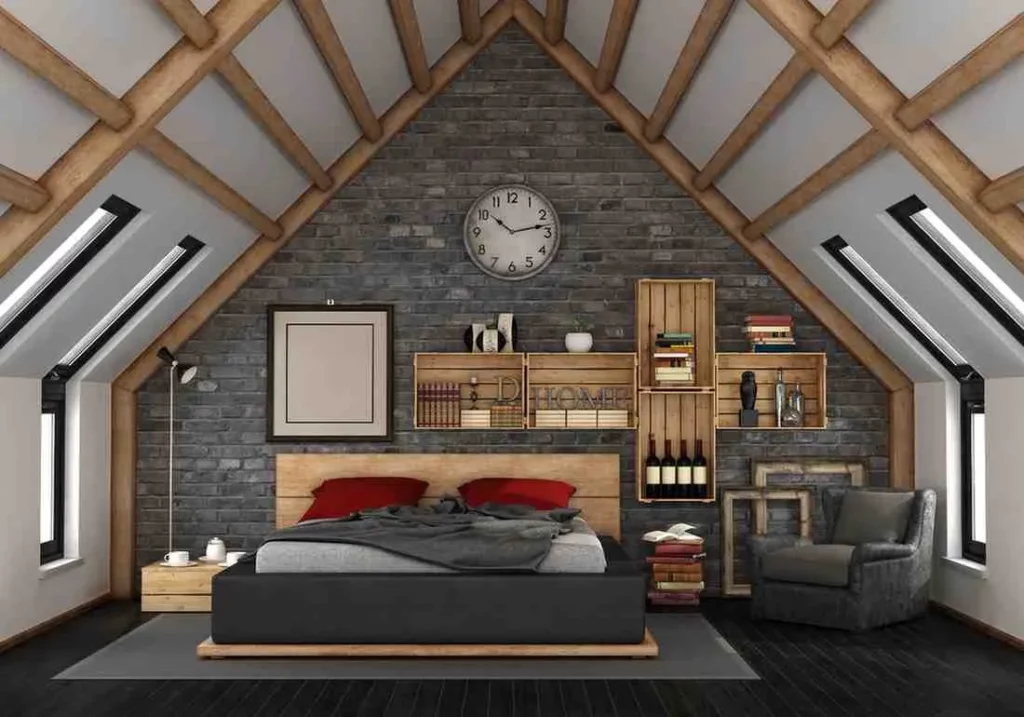
If you are considering converting your loft, one of the first questions you will probably ask is: how long does a loft conversion take?
For most UK homeowners, a loft conversion takes around 4 to 7 months from the initial design stage to final completion, although the exact timeframe depends on the type of conversion, planning requirements, structural work, property access and the complexity of the project.
Table of Contents
ToggleThe actual construction period is usually much shorter than the complete project timeline. A typical loft conversion can take around 5 to 14 weeks on site, depending on the design.
Quick Answer: How Long Does a Loft Conversion Take?
A straightforward loft conversion can take around 4 to 6 months from the first design meeting to completion.
The construction work itself is commonly around 4 to 14 weeks, depending on the type and complexity of the conversion.
A simple Velux conversion may take only a few weeks on site, while a larger Mansard or complex dormer conversion can take several months.
The full process usually includes:
- Initial consultation and loft assessment
- Design and architectural drawings
- Structural calculations
- Planning checks or planning application
- Building Regulations
- Party Wall matters, where applicable
- Contractor preparation and scheduling
- Scaffolding and site setup
- Structural construction
- Insulation, windows and roofing
- Plumbing and electrical work
- Plastering and internal finishes
- Snagging and final inspections
The important thing to remember is that the building work is only one part of the loft conversion timeline.
Loft Conversion Timeline: From Design to Completion
A realistic loft conversion programme can be divided into several stages.
Stage 1: Initial Consultation and Loft Assessment
Typical time: 1–2 weeks
The process normally begins with an assessment of your existing loft and property.
Your builder or designer may look at:
- Available head height
- Roof structure
- Roof pitch
- Existing floor structure
- Chimney positions
- Water tanks and services
- Staircase possibilities
- Access
- Neighbouring properties
- Potential planning restrictions
- Whether the property may qualify for permitted development
This early assessment helps determine which type of loft conversion is practical for your home.
It can also identify potential structural or planning issues before detailed design work begins.
Stage 2: Design and Architectural Drawings
Typical time: 2–6 weeks
Once the initial assessment is complete, detailed drawings can be prepared.
Depending on your project, these may show:
- Existing and proposed floor plans
- Roof alterations
- New staircase
- Dormer design
- Windows and rooflights
- Internal room layouts
- Bathroom or ensuite
- Structural changes
- External appearance
More complicated projects can take longer because the design may require several revisions.
Good planning at this stage can help prevent expensive changes once construction has started.
Stage 3: Planning Permission or Permitted Development
Typical time: varies by project
Not every loft conversion requires a full planning application.
Some projects can be carried out under permitted development rights, provided the proposed work meets the relevant rules and limitations.
Other projects may require planning permission.
This can depend on factors such as:
- The size of the proposed conversion
- The design and position of the extension
- Previous extensions
- The property’s location
- Conservation area restrictions
- Whether the property is listed
- Local planning policies
If full planning permission is required, the statutory determination period for a straightforward householder application is generally 8 weeks, although real projects can take longer where amendments, consultations or other issues arise.
A Lawful Development Certificate may also be relevant where a project is intended to rely on permitted development, but it is different from planning permission.
Always check the specific planning position of your property before starting work.
Stage 4: Structural Engineering and Building Regulations
Typical time: around 2–4+ weeks, depending on the project
Loft conversions involve significant structural considerations.
A structural engineer may need to design:
- New floor joists
- Steel beams
- Structural supports
- Roof alterations
- Dormer structures
- Staircase openings
- Load-bearing elements
Building Regulations also need to be addressed.
They cover important areas such as:
- Structural safety
- Fire safety
- Insulation
- Ventilation
- Staircases
- Electrical work
- Energy efficiency
- Escape routes
Building Regulations are separate from planning permission.
A project can therefore have planning approval or permitted development status while still needing to comply fully with Building Regulations.
Stage 5: Party Wall Matters
Typical time: can run alongside the pre-construction process
If your property is semi-detached or terraced, Party Wall matters may need to be considered.
This is particularly important where proposed work affects a shared wall, boundary structure or certain excavation areas.
Party Wall procedures can involve:
- Serving notices
- Agreeing works with neighbours
- Preparing a Party Wall Award where required
- Appointing surveyors if an agreement cannot be reached
The exact requirements depend on the proposed works and property.
It is therefore sensible to deal with Party Wall matters early rather than waiting until construction is about to start.
Stage 6: Preparing the Site
Typical time: around 1 week
Once the design, approvals and contractual arrangements are ready, the construction phase can begin.
The contractor may arrange:
- Scaffolding
- Material deliveries
- Site protection
- Temporary access
- Waste management
- Safety measures
- Structural materials
- Labour and specialist trades
The exact setup depends on the property and the conversion design.
Restricted access in busy London streets can also affect deliveries and site logistics.
Stage 7: Structural Loft Conversion Work
Typical time: 1–4 weeks
This is when the major structural transformation begins.
Depending on the project, work can include:
- Strengthening the existing floor
- Installing steel beams
- Altering the roof
- Building dormer structures
- Constructing new walls
- Installing roof structures
- Creating the staircase opening
- Installing roof windows
- Making structural connections
This is usually one of the most disruptive stages of the project.
Once the main structure is complete, the project starts to move towards the internal fit-out.
Stage 8: Insulation, Roofing, Windows and First Fix
Typical time: 1–3 weeks
The next stage can include:
- Roof insulation
- Internal insulation
- Roof coverings
- Rooflights
- Dormer windows
- Electrical first fix
- Plumbing first fix
- Heating pipework
- Ventilation
The exact programme depends on the number of rooms and services included.
A simple bedroom may require considerably less work than a loft conversion containing a bedroom, bathroom and bespoke storage.
Stage 9: Plastering and Internal Finishing
Typical time: 1–3 weeks
Once the main services are installed, the internal space can start to take shape.
Typical work includes:
- Plasterboarding
- Plastering
- Flooring
- Internal doors
- Skirting
- Decorating
- Lighting
- Bathroom installation
- Joinery
- Storage
- Final electrical fittings
At this stage, the new loft begins to look like a finished living space rather than a construction project.
Stage 10: Snagging and Final Sign-Off
Typical time: 1–2 weeks
Before completion, the project should be checked carefully.
A snagging process may identify issues such as:
- Paint touch-ups
- Minor plaster imperfections
- Door adjustments
- Sealant
- Electrical finishing
- Plumbing adjustments
- Joinery corrections
Final inspections and relevant certification should also be completed before the project is considered fully finished.
Planning Permission and Building Regulations: What Slows Things Down?
Planning Permission and Building Regulations are the two approval processes that affect your timeline the most.
If your project falls under permitted development, you may be able to start within weeks of submitting a Lawful Development Certificate application. This takes around 8 weeks but is just a confirmation, not an approval process.
Full planning permission takes up to 8 weeks and can add delays if the council requests amendments: In conservation areas or on listed buildings, this process takes longer.
Building Regulations are separate: They cover structural safety, fire escape routes, insulation, and staircase requirements. A structural engineer’s calculations are needed before work starts. We coordinate these approvals as part of our project management service for Loft conversions London, so clients do not have to chase paperwork themselves
Factors Affecting Loft Conversion Time
Understanding Factors Affecting Loft Conversion Time helps you set realistic expectations.
Here are the main ones:
Type of Conversion: As shown above, the type of conversions you choose is the single biggest factor. A simple velux takes 4 weeks. A full mansard can take four months.
Size of the Loft Space: Larger lofts need more labour and materials. A conversion covering 30 square metres will take longer than one covering 15 square metres.
Structural Complexity: If floor joists need strengthening, steel beams need installing, or a party wall agreement is required, each of these adds time. Steel beam installation can add one to two weeks to the programme.
Access and Scaffolding: In tight urban streets common across London, getting scaffolding up and materials delivered takes longer. Poor access can add several days to the start of a project.
Party Wall Agreements: If your home is semi-detached or terraced, you likely share walls with neighbours. Party wall notices must be served at least two months before work starts. If a neighbour disputes the notice, a surveyor must get involved, which adds more time.
Weather: Roof work is weather-dependent. Heavy rain or high winds can halt external work for days. This is more common in winter builds.
Builder Availability and Schedule: Even after you sign contracts, most reputable builders have a waiting list. Good builders in London are often booked 2 to 3 months in advance. Factor this into your total timeline.
Can You Live at Home During a Loft Conversion?
Yes, in most cases. The build happens above your existing rooms. Your home stays largely functional throughout. The noisiest period is during structural work in weeks one to four.
Some homeowners find dust and noise manageable: Others choose to stay elsewhere during the structural phase. We discuss this with clients early so they can plan childcare, working-from-home arrangements, and daily routines around the build schedule.
Conclusion
How long does a loft conversion take? Most homeowners should plan for 4 to 8 months in total from the first design meeting to final sign-off. The on-site build alone runs from 4 weeks for a velux to 16 weeks for a mansard. Choosing an experienced team who manages design, planning, and build in one place makes a real difference to your timeline.
At ABL Design & Build, we specialise in Loft conversions London and guide clients through every stage, from initial design to Building Control sign-off. Ready to get started? Contact us today for a free consultation and a clear, honest timeline for your project.
Frequently Asked Questions
How long does a loft conversion take from start to finish?
The total timeline is typically 4 to 8 months covering everything from initial design and planning through to final Building Control sign-off. The on-site build alone runs from 4 weeks for a Velux to 16 weeks for a Mansard conversion.
How long does a dormer loft conversion take?
A dormer loft conversion takes 8 to 12 weeks on-site. When you include the design and planning stages, the full process runs between 16 and 24 weeks from start to finish.
Do I need planning permission for a loft conversion?
Most loft conversions fall under permitted development, so no formal planning permission is needed. However, properties in conservation areas, listed buildings, or projects involving major structural changes will require full planning consent, which can take up to 8 weeks.
Can I live at home during a loft conversion?
Yes, in most cases you can stay in your home throughout the build. Work takes place above your existing living space, so daily life remains largely unaffected. The noisiest and most disruptive period is usually the first 3 to 4 weeks when structural work is underway.
What is the fastest type of loft conversion?
A Velux conversion is the quickest option, taking just 4 to 6 weeks on-site. Because the existing roof structure is not altered only rooflights are fitted it is also the least disruptive. It is only suitable where the loft already has sufficient headroom.
How long does a Mansard loft conversion take?
A Mansard conversion is the most complex type and takes 12 to 16 weeks on-site. Including design and planning, the total timeline can reach 22 to 32 weeks. Planning permission is almost always required for this type of conversion.
What can delay a loft conversion?
The most common causes of delay are party wall disputes, planning permission amendments, bad weather during roof work, steel beam installation adding 1 to 2 extra weeks, and builder availability. In London, reputable builders are often booked 2 to 3 months in advance.