
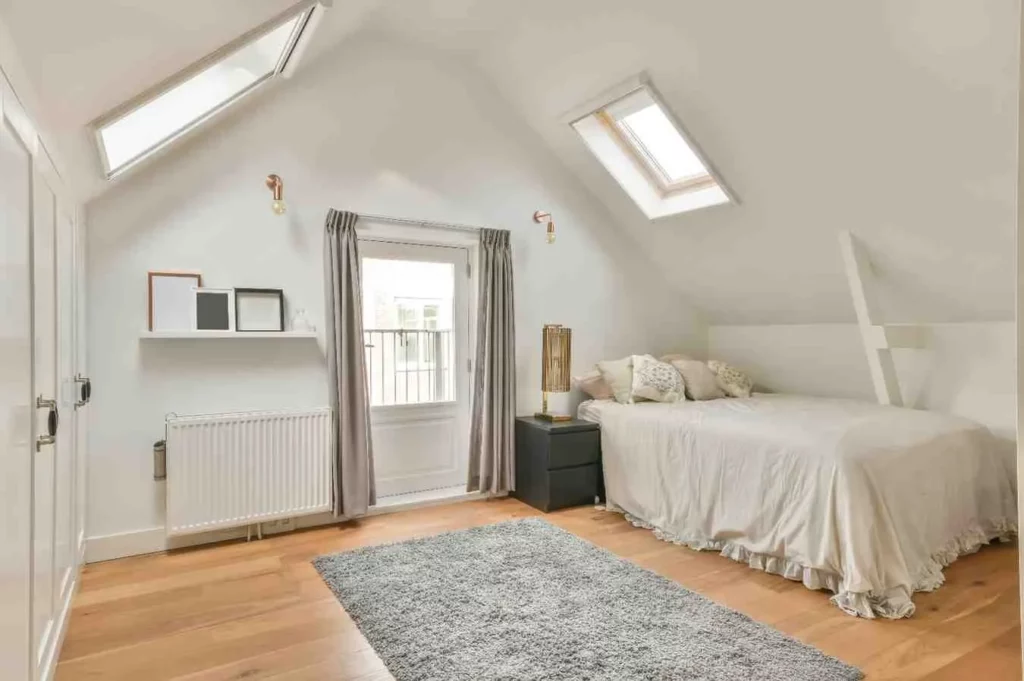
Types of loft conversion, there are five main types of loft conversion in the UK: Velux (rooflight), dormer, hip-to-gable, mansard, and L-shaped. A few properties also suit a piggyback loft conversion, where the roof is raised entirely. Most projects cost between £20,000 and £70,000 and typically take 4 to 10 weeks
At ABL Design & Build, we help homeowners choose the best types of loft conversion for their property. This guide walks you through every option, the costs, and what suits your home best.
Table of Contents
ToggleWhat Is a Loft Conversion?
A loft conversion turns unused roof space into a usable room. It can become a bedroom, home office, nursery, or bathroom. Unlike moving house, it adds living space without the stress of relocating.
Most homes have a loft that sits empty, holding boxes and old furniture. With the right build, that same space can add a full extra room and real value to your home.
Different Types of Loft Conversion Explained
There are five main different types of loft conversion used across the UK. Each one suits a different roof shape, budget, and property style. Picking the wrong one can mean wasted money or a rejected planning application.
Here are the main loft conversion types homeowners choose from:
1. Dormer Loft Conversion
A dormer loft conversion is a box-shaped structure built out from the roof slope, usually at the rear, with vertical walls and either a flat or pitched roof. It’s the most common type of loft conversion in the UK because it works on the widest range of properties.
There are two dormer styles:
- Flat roof dormer: maximises head height, common on terraced houses
- Gabled (pitched) dormer: a more traditional look, often used on period homes
Because a dormer adds both floor space and standing height, it turns an awkward loft into a proper bedroom or bathroom on almost any house with a sloping roof. That versatility is exactly why it dominates the market.
2. Hip-to-Gable Loft Conversion
A Hip-to-Gable Loft Conversion changes a sloping hipped roof end into a vertical wall. This is common on semi-detached, end-of-terrace, and detached houses where one side of the roof slopes inward instead of running straight up.
By building out the sloped side, you gain extra width and headroom right where the loft was previously cut short. This is often paired with a rear dormer for a bigger combined space.
Why homeowners pick it:
- Adds significant headroom along one whole side of the loft
- Blends naturally with the existing house shape
- Works well for bungalows, where roof height is often limited
Where it falls short:
- Not suitable for mid-terrace homes, since there’s no hipped end to alter
- Usually requires planning permission rather than falling under permitted development
- Can look uneven if neighbouring houses haven’t done the same conversion
If you own a semi-detached house with a hipped roof and want maximum space, a hip to gable conversion combined with a dormer is often the strongest option.
3. Mansard Loft Conversion
A mansard loft conversion rebuilds the rear roof slope to a steep, near-vertical angle (typically around 70–72 degrees) with a flat top, creating close to a full extra storey. It’s the most expensive and most involved of the loft extension types, but it also creates the most usable space.
Named after 17th-century French architect François Mansart, this style is common on London terraces, where local planning policy has effectively made mansards part of the streetscape in some conservation areas.
Mansard loft conversions typically involve:
- Steep-sided walls at roughly 70 degrees, with small dormer windows set into them
- A flat roof section at the top
- Significant structural work, closer to a rebuild than a conversion
- Planning permission in almost every case, since it changes the roof shape itself
If your priority is maximum space and you’re prepared for a longer build and a planning application, a mansard delivers where a Velux or dormer simply can’t.
4. Velux (Rooflight) Loft Conversion?
A Velux conversion adds windows into the existing roof slope without changing its shape. It’s the cheapest and quickest of all the loft conversion types, but it only works if your loft already has enough head height.
Named after the window manufacturer whose rooflights are used in the build, this conversion clips into the existing rafters rather than rebuilding around them. That keeps costs down and the build fast.
A Velux loft conversion suits you if:
- Your existing loft already has generous ceiling height at the ridge
- You want a home office, guest room, or single bedroom rather than a full suite
- You’d rather avoid planning permission and keep disruption to a minimum
- Your roof pitch is already steep enough to stand up in comfortably
The catch is straightforward: if your head height isn’t there already, no amount of rooflights will create it. That’s the trade-off for the lowest price tag on this list.
4. L-Shaped Loft Conversion?
An L-shaped loft conversion combines a rear dormer with a second dormer built over an existing rear extension (often called an outrigger), forming an L shape when viewed from above. It’s common on Victorian and Edwardian terraces, which were often built with a rear addition already in place.
This style adds more usable space than a single rear dormer because it captures two roof sections instead of one. That extra volume makes it a strong option when you want space for two bedrooms and a bathroom rather than just one room.
Not every property has the rear outrigger this design depends on, so it’s more of a bonus option than a universal one.
Related: How Long Does a Loft Conversion Take?
How Roof Shape Affects Which Loft Conversion You Need
Your roof shape often decides which types of loft conversions are realistic before budget even comes into play.
- Hipped roof: Best suited to hip-to-gable or a combined hip-to-gable and dormer build
- Gable-end roof: Works well with a dormer, gable extension, or L-shaped layout
- Existing mansard or flat roof: Often easiest to extend with a small dormer addition
- Terraced house with limited width: Mansard or rear dormer tends to work best
A structural engineer or architect can confirm what your existing roof allows before you commit to a design.
Planning Permission and Building Regulations
Many loft conversions fall under permitted development rights, meaning you may skip full planning approval. However, several loft conversion types still need a formal application.
A project usually requires planning permission when:
- You live in a conservation area or a listed building
- The roof extension exceeds permitted development volume limits
- You’re altering a roof in a way that’s visible from the street
- Your council has removed permitted development rights in your area (an Article 4 direction)
Even permitted development projects must meet Building Regulations covering fire safety, insulation, structural strength, and staircase access. Always confirm requirements with your local planning authority or a qualified building control body before starting work, since rules differ between councils.
Loft Conversion Cost Comparison
Costs vary by type of conversion, location, and finish level. As a general guide across the UK:
- Velux (Rooflight): typically the lowest cost, since no structural roof changes are needed
- Dormer: moderate cost, with strong value for the space gained
- Hip-to-gable: higher than a dormer due to extra structural work
- Mansard: usually the highest cost, reflecting the scale of rebuilding involved
Prices shift depending on whether you’re adding an en-suite, moving plumbing, or upgrading insulation. Getting two or three quotes from established local builders gives you a realistic budget range for your specific property.
Which Loft Conversion Suits Different Property Types?
Not every conversion fits every house. Matching the build to your property types avoids wasted design fees.
- Terraced houses: Mansard or rear dormer conversions tend to work best
- Semi-detached houses: Hip-to-gable, often combined with a dormer
- Detached houses: Most loft extension types are possible, including full mansard builds
- Bungalows: Hip-to-gable is common, since it adds vertical wall height where it’s needed most
- Period and listed properties: Mansard or Velux conversions, depending on conservation rules
Best Loft Conversion for Specific Needs
Different goals call for different builds.
- Extra bedroom for a growing family: Dormer or L-shaped conversion, for maximum floor space
- Home office: Velux conversion if your loft already has height, or a small dormer for more room
- Nursery: Dormer conversion, since it adds steady headroom and natural light
- Adding rental value or an HMO room: Mansard or dormer, depending on what local rental demand expects
- Increasing resale value: Mansard conversions often add the most value in period properties, while dormers offer the best return for most other house styles
Common Mistakes to Avoid
- Choosing a type of conversion based on cost alone, without checking what your roof shape allows
- Skipping a planning permission check in a conservation area
- Underestimating headroom requirements, especially with Velux-only builds
- Not budgeting for staircase repositioning, which is often needed regardless of conversion type
- Hiring a builder without loft-specific experience or proper structural sign-off
Why Work With ABL Design & Build
Choosing between types of loft conversions is easier with an experienced team guiding the decision. ABL Design & Build has handled dormer, hip-to-gable, mansard, and Velux projects across loft conversions London homeowners trust us with every year.
We assess your existing roof, check planning rules for your area, and recommend the loft conversion types that fit your budget and goals. Every project includes structural advice, Building Regulations compliance, and a clear cost breakdown before work begins.
Conclusion
There are several types of loft conversion to choose from, and the right one depends on your roof shape, budget, and property type. Dormer, hip-to-gable, mansard, Velux, and gable conversions each offer different space, light, and cost outcomes. Getting expert advice early avoids wasted time on designs that won’t get approved. Contact us today for a free consultation and find out which loft conversion fits your home best.
Frequently Asked Questions
Which type of loft conversion is best?
The best option depends on your property’s roof structure, budget, and goals. A Dormer Loft Conversion is often the most popular choice because it creates extra floor space, improves headroom, and suits many UK homes. If you want maximum space, a Mansard Loft Conversion may be the better option.
What are the main types of loft conversion?
The main types of loft conversion include Dormer Loft Conversion, Hip-to-Gable Loft Conversion, Mansard Loft Conversion, Velux (Rooflight) Loft Conversion, and L-Shaped Loft Conversion. Each design offers different levels of space, cost, and structural changes.
Which loft conversion adds the most value to a property?
A Mansard Loft Conversion often adds the most value because it creates the largest amount of additional living space. However, a Dormer Loft Conversion usually provides the best balance between cost and return on investment.
Do all loft conversions require planning permission?
No. Many loft conversions fall under permitted development rights. However, a project may require planning permission if the property is in conservation areas, is a listed building, or involves major changes to the roof structure.
What is the cheapest type of loft conversion?
A Velux (Rooflight) Loft Conversion is generally the most affordable option. It works within the existing roof structure and requires fewer structural alterations than other loft conversion types.
What is the most expensive loft conversion?
A Mansard Loft Conversion is usually the most expensive because it involves significant structural changes to the roof. The higher cost is often justified by the amount of extra space created.