
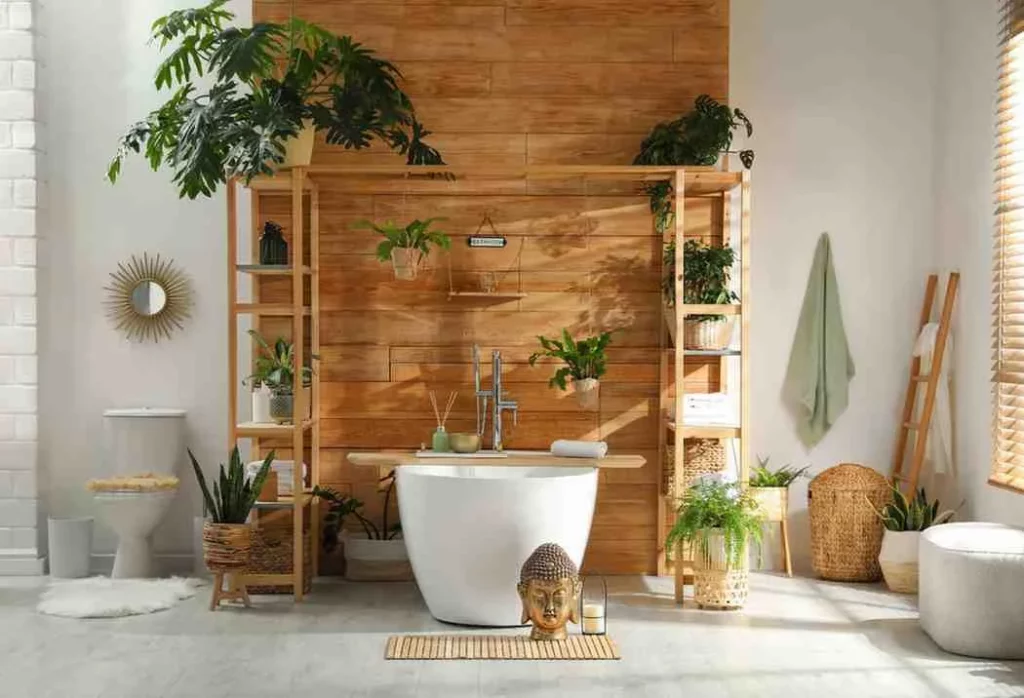
Your bathroom should feel like a place to breathe, not a cold room you rush through in the morning. If your current space feels clinical, dark, or plain, you are not alone. Many UK homeowners are turning to biophilic bathroom design to fix this exact problem, using natural materials, living plants, and warm light to turn a functional room into a calm retreat.
At ABL Design & Build, we work with homeowners across London and the South East who want more than a nice-looking bathroom. They want a space that genuinely helps them relax after a long day, without sacrificing durability or everyday practicality. This guide walks through what biophilic bathroom design actually means, which materials and plants work in a humid room, and how to avoid the common mistakes that turn a good idea into a maintenance headache.
Table of Contents
ToggleWhat Is Biophilic Bathroom Design
Biophilic interior design is built on one simple idea: humans feel calmer and happier when they are close to nature. In a bathroom, this means bringing in things like timber, stone, plants, and daylight instead of relying only on tiles, mirrors, and hard surfaces.
Biophilic bathroom design is not just a decorating style. It is a way of planning a room so it supports your mood and health. Studies on wellbeing and the built environment consistently point to lower stress and better focus when people spend time in spaces with natural textures, greenery, and daylight. A bathroom is a small space, but it is one you use every single day, which makes it a good place to apply these ideas.
Why Nature-Inspired Bathroom Design Improves Wellbeing
A well-planned Nature-Inspired Bathroom Design does more than look good in photos. It changes how a room feels to be in.
Here is what tends to happen when a bathroom shifts toward nature-inspired design:
- Morning routines feel calmer instead of rushed
- Evening baths feel more like a spa treatment than a chore
- Small bathrooms feel more open because natural textures and light reduce visual clutter
- Guests notice the difference immediately, which matters if you plan to sell your home later
This is why the trend has moved from a niche idea to one of the most requested styles in bathroom renovations across the UK.
Natural Materials That Bring a Bathroom to Life
The foundation of any biophilic bathroom is the material choice. This is also where many homeowners get stuck, because bathrooms are wet rooms and not every natural material can handle that.
Wood and Stone Finishes
Wood and stone finishes give a bathroom warmth that tiles alone cannot match. The trick is choosing the right type for a humid environment.
- Sealed natural stone, such as honed limestone or slate, resists water well and ages beautifully
- Engineered or treated timber, rather than raw untreated wood, holds up better around showers and baths
- Stone-effect and wood-effect panels are a lower-maintenance alternative when you want the look without the upkeep
Using natural materials correctly means balancing beauty with practicality. A full stone floor paired with a treated timber vanity unit, for example, gives you the organic feel without constant sealing and repair work.
Sustainable Bathroom Design Choices
Sustainable Bathroom Design is now a priority for many homeowners, not just an afterthought. FSC-certified timber, recycled stone composites, and water-saving taps and showerheads all fit naturally into a biophilic scheme.
Choosing sustainable materials also tends to mean choosing better-quality materials. Cheap synthetic finishes wear out fast and rarely age well, while natural and recycled options tend to last through several decades of use.
Choosing Living Plants in the Bathroom
Plants are the detail most people picture first when they think of biophilic bathroom design, and for good reason. Living plants in the bathroom soften hard surfaces and add life to a room that can otherwise feel sterile.
The challenge is humidity. Many houseplants struggle in a steamy shower room, so plant choice matters more than in any other part of the house.
Plants that tend to do well in bathroom humidity include:
- Peace lily
- Boston fern
- Snake plant
- Pothos
- Orchids near a window
Plants that usually struggle include succulents and cacti, since they prefer dry air and can rot in constant moisture.
Simple Plant Care Tips
- Place plants near a window or under a skylight where possible, since most still need some natural light
- Wipe leaves occasionally to remove soap residue and dust
- Choose pots with drainage holes to avoid root rot from splashes and steam
- Rotate plants out to a brighter room every few weeks if your bathroom has little daylight
Natural Light and Layered Lighting Ideas
Daylight is one of the strongest tools in biophilic design, yet many UK bathrooms are small internal rooms with limited windows. This is one of the most common frustrations we hear from homeowners planning a renovation.
If your bathroom lacks windows or has a small one, consider these options:
- A skylight or roof light, which works well in loft or top-floor bathrooms
- Larger windows with frosted or reeded glass for privacy without losing light
- Strategically placed mirrors that bounce daylight deeper into the room
- Light-reflecting finishes, such as pale stone or glossy tiles, on walls that face a window
Where daylight is limited, layered lighting fills the gap. Combine a soft overhead light with warm wall lights and a mirror light near the vanity. This layered approach mimics the way natural light changes through the day, which keeps the room feeling alive rather than flat.
Earthy Colour Palette and Organic Modern Bathroom Styling
Colour ties the whole room together. An Earthy Colour Palette built around clay, sand, moss green, and warm grey creates a calm backdrop that lets natural materials and plants stand out.
This approach is at the heart of what many designers now call an Organic Modern Bathroom, a style that mixes clean, contemporary layouts with warm, natural tones instead of stark white or grey schemes. Think matte stone tiles paired with a warm timber shelf, brushed brass taps, and soft sage green walls.
A few styling notes that make a real difference:
- Keep wall colours muted rather than bright, since bright tones can feel busy in a small space
- Use one or two accent colours at most, drawn from natural materials already in the room
- Add texture through woven baskets, linen towels, or a stone soap dish rather than more colour
Creating Spa Bathroom Ideas at Home
Many of our clients start their renovation with the same goal: they want a spa experience without the cost or hassle of visiting one. Good Spa Bathroom Ideas combine several biophilic elements at once rather than relying on a single feature.
A few additions that consistently deliver a spa feel:
- A rain shower head, which creates a gentler, more immersive water flow
- A freestanding bath positioned to catch natural light
- Underfloor heating on stone or timber-effect floors
- Soft, dimmable lighting for evening use
- A small shelf of plants near the bath
If you are planning a full renovation and want an expert to bring these ideas together properly, our team at ABL Design & Build offers Bespoke Bathrooms in London built around exactly this kind of wellness-focused approach.
Practical Tips to Avoid Common Mistakes
Biophilic design can go wrong if moisture and maintenance are not planned for from the start. This is the part competitor guides often skip, and it matters most once the renovation is finished and daily life begins.
- Ventilation first. Install a strong, quiet extractor fan before choosing any wood or plants. Poor ventilation causes warping, mould, and dying plants faster than any material choice.
- Seal natural stone. Unsealed stone stains easily from soap and shampoo. Reseal every one to two years depending on use.
- Choose durable, easy-clean surfaces where hands and water touch most. Save more delicate natural materials for areas away from direct splashing.
- Add smart storage. Open shelving looks lovely in photos but collects dust and clutter fast in daily family use. Closed storage with one or two open shelves for plants strikes a better balance.
Does Biophilic Bathroom Design Add Value to Your Home
A bathroom renovation is a real investment, so it is fair to ask whether this style pays off. Timeless, well-built biophilic bathrooms tend to hold their appeal far longer than trend-driven designs built around a single colour or pattern.
Buyers and estate agents increasingly note wellness-focused features, natural materials, and quality finishes as strong selling points, particularly in London’s period and family homes. A bathroom that feels calm, well-lit, and well-built rarely goes out of style the way a purely decorative trend can.
Extra Reading: Cost of Renovation of Bathroom
Bringing It All Together
Biophilic bathroom design is not about following a passing trend. It is about creating a room that supports how you actually want to feel each day, calm in the morning, relaxed at night, and proud to show guests. The right mix of natural materials, living plants, honest daylight, and a warm colour palette can transform even a small, dated bathroom into a space that feels like a genuine retreat.
If you are ready to turn these ideas into a real renovation plan, our team at ABL Design & Build can help you choose the right materials, plants, and layout for your home and your budget. Contact us to talk through your project and see how a wellness-focused bathroom could work in your space.
FAQs
What plants survive best in a humid bathroom?
Peace lilies, Boston ferns, snake plants, and pothos tend to thrive in bathroom humidity. They tolerate steam well and need only occasional care, which suits a busy household.
Is biophilic bathroom design expensive to achieve?
It depends on scope. Adding plants, a warmer colour palette, and better lighting costs relatively little, while full stone and timber renovations sit at the higher end of a typical £10,000 to £40,000 bathroom project.
Can I use real wood in a bathroom safely?
Yes, as long as it is properly treated or sealed and kept away from direct water contact. Good ventilation is essential to prevent warping over time.
Will biophilic design work in a small bathroom?
Yes. Natural light, mirrors, pale earthy tones, and a few well-placed plants can make a small bathroom feel larger and calmer without any structural changes.
How do I stop natural stone from staining?
Seal the stone when it is installed and reseal it every one to two years. Wipe up spilled products like shampoo and toothpaste promptly to reduce the risk of marks.